Available for engineering roles and internships

Building production AI that ships.

Deo Grace Mwala. AI & Full-Stack Engineer.

Currently building autonomous agents

I design and operate generative-AI systems end to end: LLM agents, multi-retriever RAG, and the full stack of security, evaluation, and deployment around them. Electrical & Computer Engineering at Texas Tech.

Lubbock, TX Texas Tech University, ECE LinkedIn GitHub
Summer AI assistant
01 Campus AI Assistant
Campus AI AssistantProduction RAG + agent, live 24/7
View
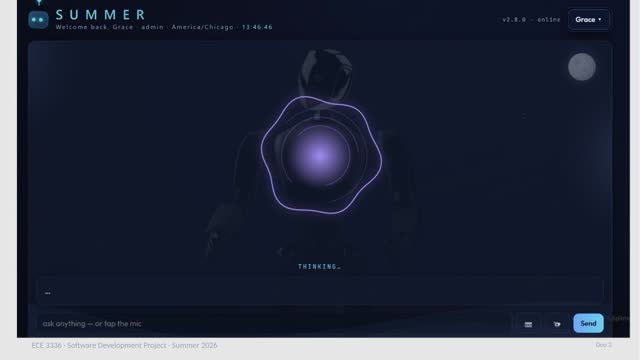
02 Voice AI Assistant
Voice AI AssistantVoice-first, multimodal, full-stack
View
03 Summer OS
Summer OSAutonomous-agent operating system
View
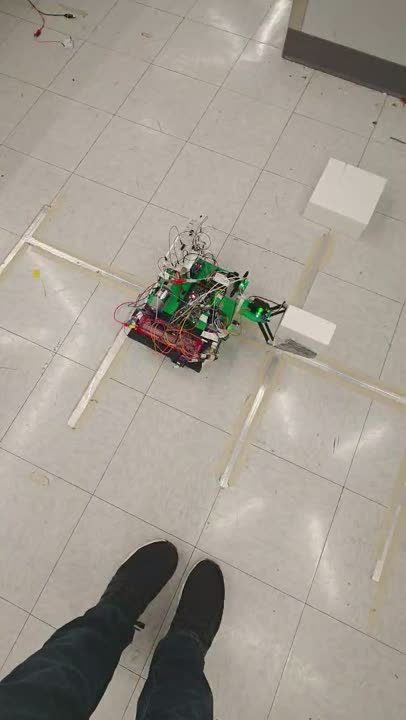
Autonomous line-following rover
04 Autonomous Rover
Autonomous RoverVerilog line-follower, Basys 3 FPGA
View
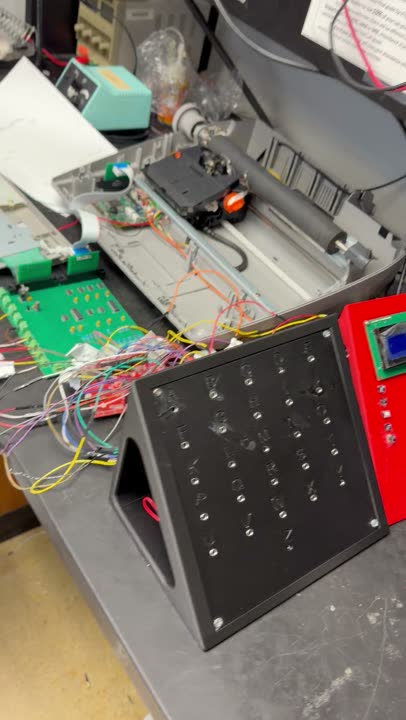
Enigma encryption typewriter
05 Enigma Typewriter
Enigma TypewriterEmbedded C, MSP432 + Brother SX-4000
View
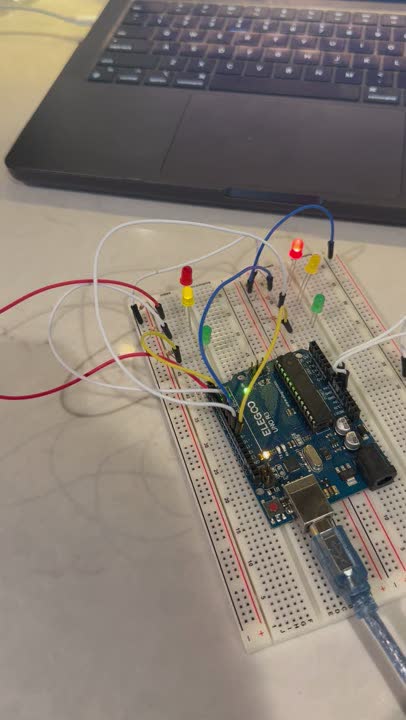
Arduino digital-logic builds
06 Digital Logic
Hardware Digital LogicArduino, breadboard, a 4-bit CPU
View
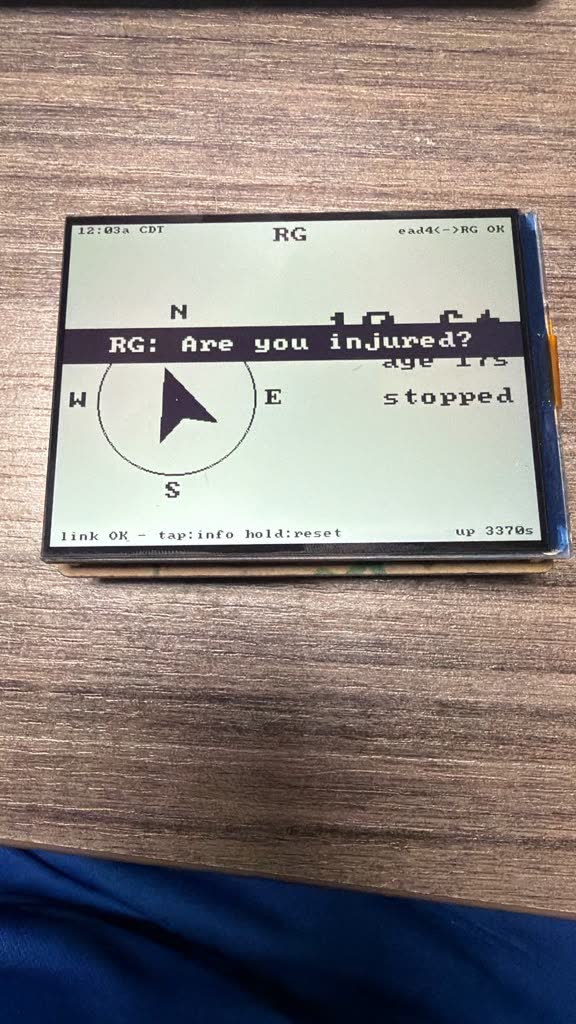
Off-grid vehicle tracker navigation display
07 Vehicle Tracker
Off-Grid Vehicle TrackerSenior capstone: LoRa V2V navigation
View
0
API routers in production
0
role-gated agent tools
0
retrieval engines: graph, vector, docs
0
RBAC roles, MFA-gated
About

Engineer across the whole stack.

I'm an Electrical & Computer Engineering student at Texas Tech who builds at both ends of the stack: the generative-AI and full-stack software end, and the FPGA and embedded hardware end. What ties them together is a bias toward shipping. Systems that run, get used, and hold up under real constraints.

My flagship is Summer, a production campus-AI assistant I took from concept to a live, always-on deployment. It pairs a grounded multi-retriever RAG engine with an agentic tool-calling loop, role-based security with multi-factor auth, an evaluation harness, and containerized infrastructure. It serves two surfaces: a locked-down public voice kiosk, and an authenticated admin platform.

I care about the things that make AI trustworthy in production: provenance over fabrication, least-privilege access, graceful degradation when the model is unreachable, and privacy by construction. I'm aiming at senior-level engineering, with agents and applied ML as the spike.

FocusAI agents, RAG, full-stack
AlsoFPGA, embedded systems
EducationECE, Texas Tech University
LocationLubbock, TX
ShippedLive in production
StatusOpen to roles & internships
Toolkit

What I build with.

Hands-on across applied AI, backend, frontend, infrastructure, and hardware. Chosen and used in shipped projects, not just listed.

01

AI & Agents

Where I go deepest
LLM agentsLangGraphTool-calling loopsRAGpgvector + RRFNeo4j graph retrievalMCP serversClaude / GPTEval harnesses
02

Backend

APIs & services
PythonFastAPISQLAlchemyPydantic v2REST / WebSocketJWT, TOTP, WebAuthnAsyncUvicorn, Nginx
03

Frontend

Interfaces & UX
React 19TypeScriptViteTailwindshadcn/uiSpline 3DVoice UI
04

Data & Infrastructure

Where it runs
PostgreSQL + pgvectorNeo4jSupabaseDockerKubernetesFly.io · RenderGitHub Actions CI
05

Hardware & Embedded

Model to metal
FPGA (Basys 3)VerilogVivadoEmbedded CMSP432 / Arm Cortex-MLoRa / MeshtasticBLE (NimBLE)RTL / FSMDigital logic
06

Practices

How I work
Security reviewThreat modelingLeast privilegeTesting / pytestEvaluationGraceful degradationPrivacy by design
Selected work

Projects I've shipped.

A few systems, end to end, from a live production AI assistant to FPGA and embedded hardware.

Flagship · Live in production

Summer, Campus AI Assistant

A grounded, agentic campus assistant for the Texas Tech ECE department, taken from concept to an always-on deployment.

  • Multi-retriever RAG. Knowledge-graph traversals (Neo4j Cypher, name-searchable), pgvector semantic search with RRF reranking, and document retrieval with citations, so every answer traces back to source data. The admin renders it all as an interactive "Engineering Brain" graph.
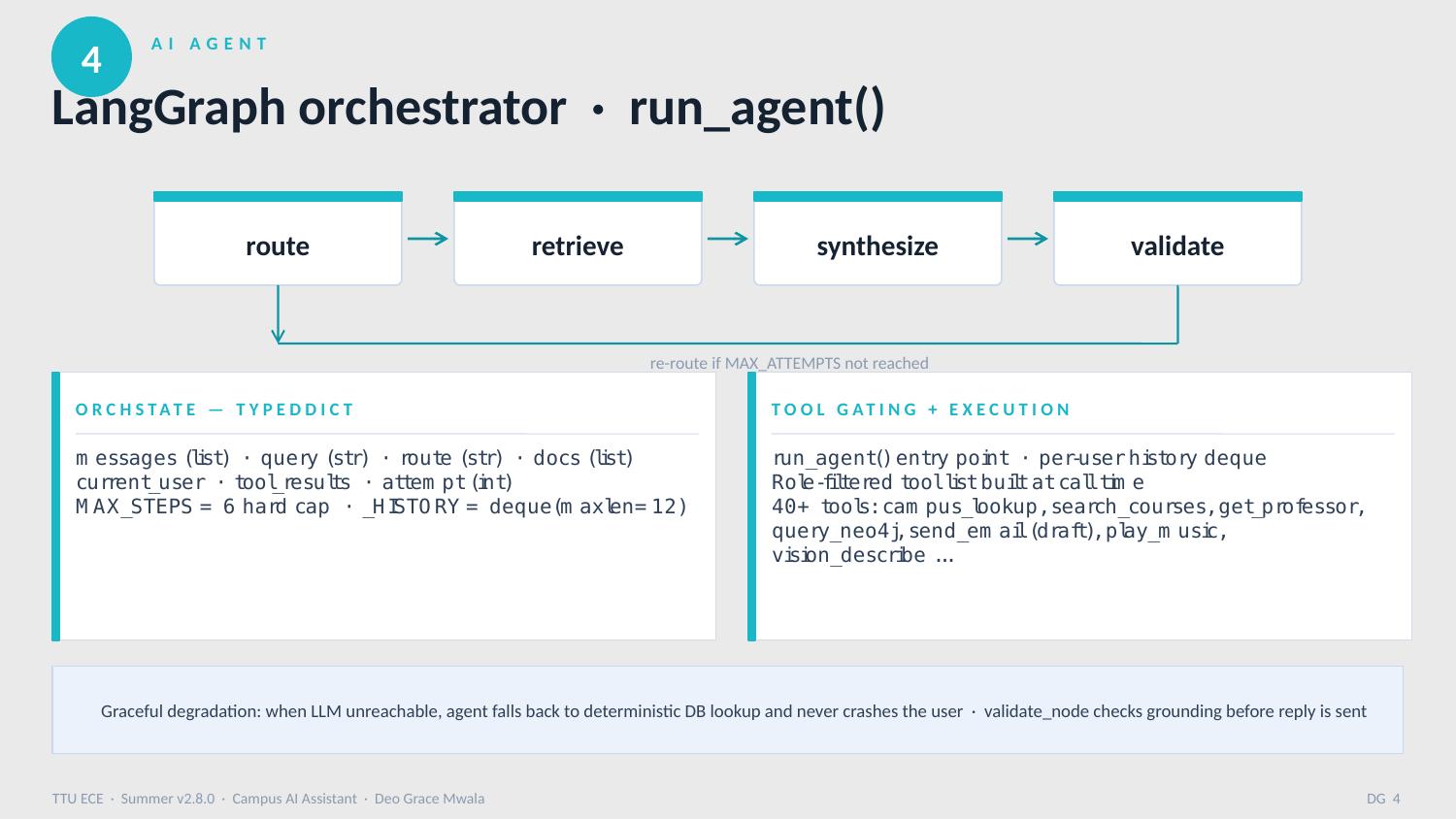
  • Agentic layer. A LangGraph orchestrator (route, retrieve, synthesize, validate) driving a tool-calling loop over 40+ role-gated tools.
  • Anti-hallucination engineering. Deterministic routing answers small talk and advising questions without the LLM, a grounding gate checks every reply against retrieved data, and the admin shows live hallucination-rate and failure-rate gauges.
  • Voice that holds up. Wake-word conversation on the kiosk with echo cancellation, barge-in, and self-reply suppression; speaks via ElevenLabs or a free browser voice.
  • Two surfaces, secured. A public, read-only voice kiosk that physically cannot reach email or data edits, and an admin platform behind JWT, TOTP, and WebAuthn passkeys with a maker-checker approval queue and an append-only audit log.
  • Runs on a $0 stack. Provider-agnostic brain (Gemini, Claude, or GPT) deployed free on Render + Supabase, with an eval-gated CI, an MCP server, and graceful degradation to deterministic lookup when the LLM is unreachable.
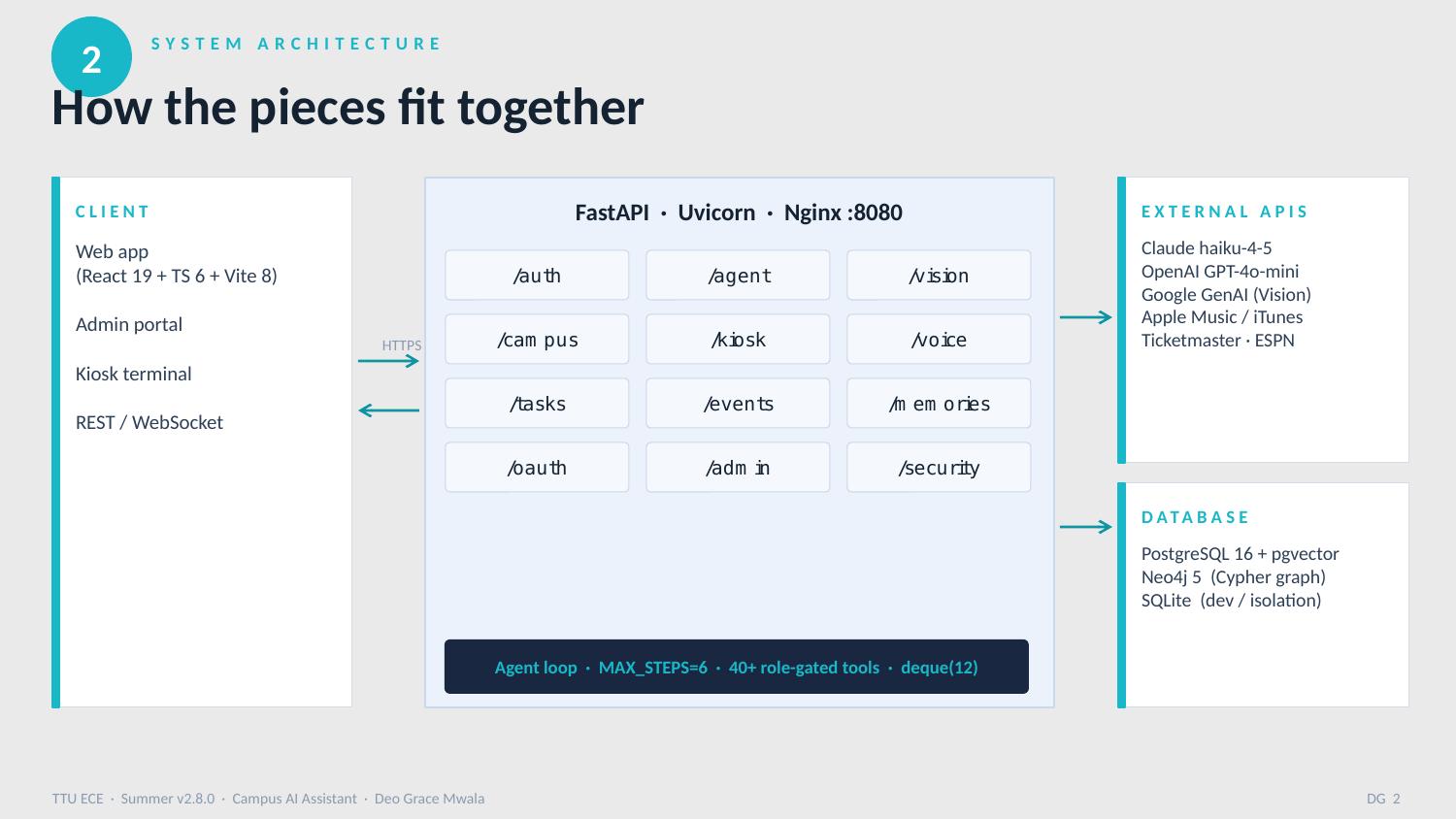
FastAPILangGraphGemini / Claude / GPTNeo4jpgvectorReact 19 + TSDockerRender + Supabase
summer-ttu.onrender.com · architecture
Summer campus assistant system architecture
Full-stack · Voice-first

EventHub & Summer, Voice AI Assistant

The voice-driven personal assistant the campus build grew out of. One Claude-powered agent decides which tools to call.

  • Voice-first and multimodal. Wake-word conversation, spoken replies, live transcription, and a vision tool that reads images from the camera.
  • Real-time event ticketing. Find events, pick seats in an interactive 3D map (Spline), pay through Stripe, and get a receipt.
  • Many channels, one brain. Calendar, music (Spotify and Apple Music), events, vision, email, and content behind a single clean JSON API.
  • Full-stack. A FastAPI backend exposing the agent's tools, with a React and TypeScript web app as the face.
FastAPIClaude agentSpline 3DStripeSpotify / Apple MusicTicketmasterVoice API

Private repository. Happy to walk through it on request.

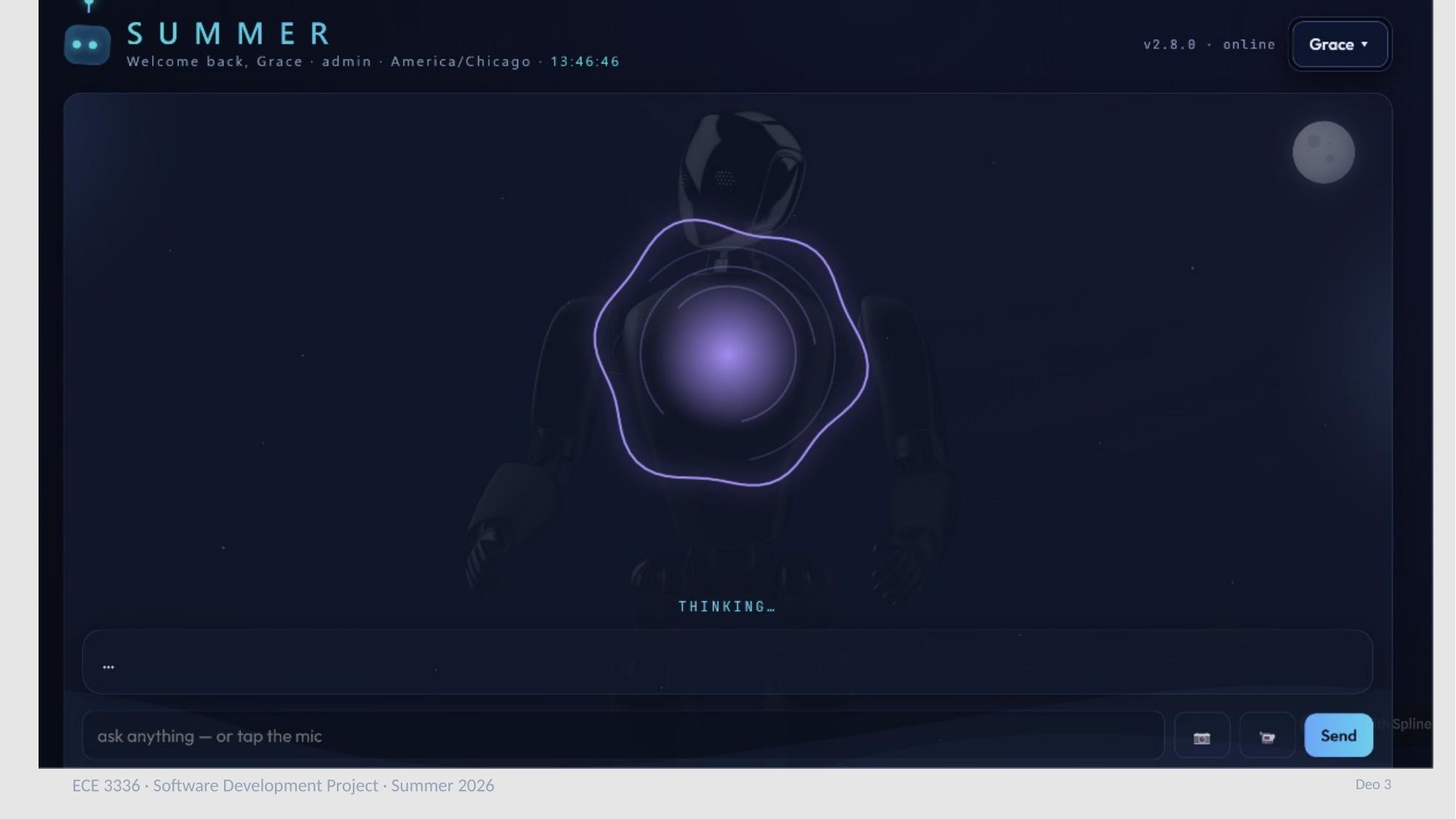
summer · voice mode
Summer voice assistant interface
Independent R&D · In progress

Summer OS, Autonomous-Agent OS

An operating system for long-running autonomous agents. A personal platform for getting real work done.

  • Agent runtime spine. A foundation for autonomous agents that plan, act with tools, and persist state across sessions.
  • First module, Job Hunt. An end-to-end agent that automates the job-search workflow.
  • Built for autonomy. The same engineering discipline as Summer, applied to agents that run on their own: safety rails, least privilege, and graceful failure.
Autonomous agentsPythonTool orchestrationPersistent stateApplied AI

Private repository. Happy to walk through it on request.

summer-os · orchestrator
Agent orchestration graph
Independent lab · AI × Security

AI Security Engineering Lab

A set of self-directed builds exploring how production AI systems get attacked and how to engineer them to hold: gateways, authorization, incident response, and post-quantum migration.

  • llm-gateway (Go, zero dependencies). A multi-tenant LLM gateway with in-flight scanning of streaming responses, cost-based denial-of-wallet defence, and a tamper-evident audit log.
  • zero-trust-rag. RAG with document-level authorization enforced at query time: Zanzibar-style permissions, pre-filtered vector search, and an adversarial eval proving zero leakage.
  • incident-engineer. Agentic incident response with a hard data-instruction boundary: telemetry is never directive, actions are allowlisted, and confidence is computed, not claimed.
  • code-remediation-pqc. A post-quantum cryptography scanner that emits a CBOM, prioritised by harvest-now-decrypt-later exposure rather than by primitive.
  • helix. The Python agent framework underneath: pluggable environments, an inference router, and an evals and benchmark harness with scorers.
GoPythonLLM securityAuthorizationAgentsEvals

Private repositories. Happy to walk through any of them on request.

SEC
gateway · authz · incident response · PQC
Five private builds
New · EE × Software × AI

SpiceStudio AI

A browser-native circuit simulator and schematic editor with an AI copilot. A real EDA tool, shipped as one self-contained HTML file: no install, no build, no backend.

  • From-scratch simulation engine. Modified Nodal Analysis with DC operating point, transient, and AC sweep; diodes, MOSFETs, BJTs, and op-amps with damped-Newton convergence, verified against analytic results.
  • Full EDA loop. Schematic editor with net extraction and an auto-router (hop-over jumpers at crossings), a PCB view with DRC and Gerber/Excellon export plus 3D preview, an auto-built breadboard, and a JS Arduino runtime with a serial monitor.
  • AI copilot. Built-in circuit builders and SPICE-netlist paste work with no key; connect an Anthropic key and it designs arbitrary circuits from a natural-language description.
  • Engineered, not vibe-coded. The numerical core and app logic are tested headlessly in Node against analytic results.
JavaScriptSPICE / MNAEDACanvasAI copilotGerber exportSingle-file app
EDA
schematic → simulate → PCB → firmware
Screenshots coming
Senior capstone · In progress

Off-Grid Vehicle Tracker

A fully off-grid system that shows a driver the live direction and distance to a partner vehicle. No cell service, no WiFi: built for convoys in places like Alaska.

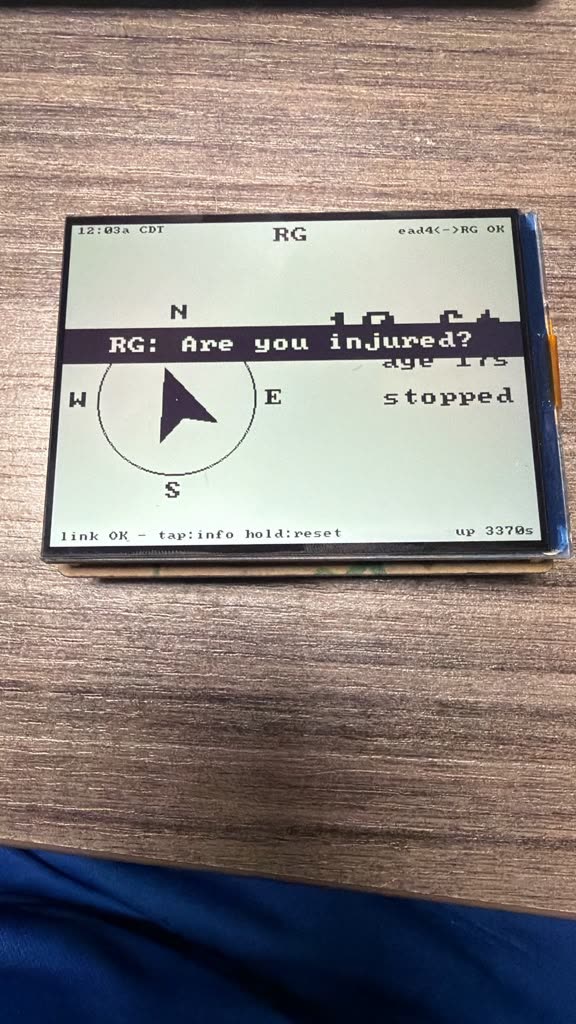
  • How it works. LoRa Meshtastic radios exchange GPS positions between vehicles, and a sunlight-readable reflective LCD on the dash renders a live arrow and distance to the partner.
  • My part: protocol firmware. The Meshtastic BLE client on the display board, written in C: a NimBLE central that pairs with the radio, decodes protobuf packets with nanopb, and publishes a clean TrackerState feed for the navigation UI.
  • Engineering as a team. Four-person team with owned subsystems; the TrackerState struct is the frozen contract between the protocol and UI firmware, and everyone flashes their own boards.
  • Real constraints. Capstone Project Lab (Aug to Dec 2026), sponsored by Dr. Richard Gale, with range testing, vehicle power, and drive tests on the schedule.
Embedded CLoRa / MeshtasticBLE (NimBLE)Protobuf (nanopb)GNSSReflective LCD

Private team repository. Demo photos and drive-test video coming as the build progresses.

Microprocessor Architecture · Final project

4-Stage Pipelined 32-bit CPU

A working 32-bit CPU in Verilog for ECE 4375: a four-stage pipeline with hazard handling, running real assembled programs against a self-checking testbench.

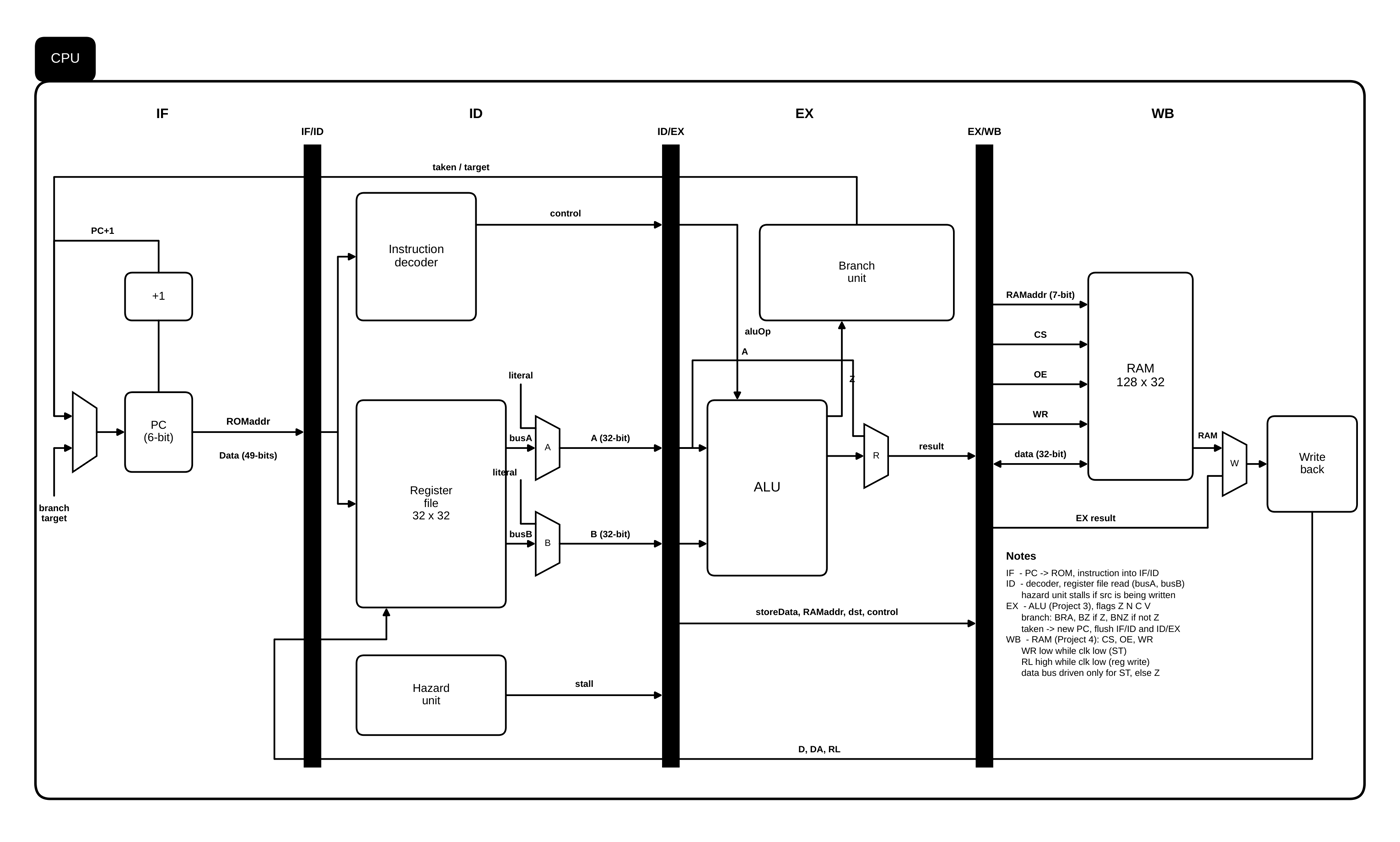
  • The pipeline. IF, ID, EX, WB stages with explicit pipeline registers: the PC fetches 49-bit instructions from a 64x49 ROM, the decoder and 32x32 register file feed a flagged ALU, and write-back drives a 128x32 RAM over a tri-state bus with active-low CS/OE/WR.
  • Hazards handled. A hazard unit interlocks ID while an older instruction still in flight will write a register it reads, and a branch taken in EX flushes the two younger instructions to NOPs while the PC takes the target.
  • Built from my own blocks. The register file, ALU (Z, N, C, V flags), and memories came from earlier course projects; a CoolRISC assembler written in C builds the test program.
  • Proven, not assumed. A self-checking testbench runs the program through every instruction, addressing mode, and branch, printing pass or fail for each register and memory location (Icarus Verilog + GTKWave).
VerilogComputer architecturePipeliningHazard handlingAssembler (C)Icarus Verilog
CPU datapath: four-stage pipeline with IF/ID, ID/EX and EX/WB registers, hazard unit, branch unit, ALU, register file, ROM and RAM
The datapath: IF, ID, EX, WB with hazard stalls and branch flushes (click to enlarge)
Hardware · Digital design (FPGA)

Autonomous Line-Following Rover

An autonomous rover built in Verilog on a Basys 3 FPGA: sensors in, navigation logic, motors out.

  • Sense, decide, drive. IR and proximity line sensors feed a navigation finite state machine that steers the rover by driving DC motors through PWM and a servo.
  • All in hardware. Written in Verilog and synthesized in Vivado for a Digilent Basys 3 (Xilinx Artix-7, 100 MHz), with sensors and the motor driver wired over Pmod headers.
  • Built up iteratively. Evolved through successive line-follower iterations with simulation testbenches, plus a from-scratch ALU to learn structural and behavioral Verilog.
  • Real I/O. Switches, buttons, LEDs, and a seven-segment display for control and live status.
VerilogBasys 3Xilinx Artix-7VivadoNavigation FSMPWM motor controlSensors

Board photos and a demo video coming soon.

Hardware · Embedded firmware

Enigma Encryption Typewriter

A real Brother SX-4000 typewriter turned into a working Enigma machine, in bare-metal C on an Arm Cortex-M4.

  • Keyboard man-in-the-middle. The MSP432 sits between the typewriter's 8x8 key matrix (28 keys) and its controller: it scans each keypress, enciphers it, and injects the substituted letter back so the typewriter prints encrypted text.
  • Faithful Enigma. Implements the UKW-B reflector, rotors I-II-III with stepping, and a hardware plugboard, so encryption is reciprocal and decrypts with the same setup.
  • Bare-metal C on MSP432E401Y. 120 MHz Arm Cortex-M4F with SysTick timing, debounced GPIO matrix scanning, an LCD for status, and a UART console for tracing the cipher.
  • Three modes. Passthrough, encrypt, and decrypt, switchable on the fly from the control panel.
Embedded CMSP432E401YArm Cortex-M4FGPIO matrix scanUART / LCDCryptography
Hardware · Digital logic

Hardware Digital Logic

Digital systems built from the ground up on Arduino and breadboard, from logic gates to a 4-bit CPU.

  • From gates to a CPU. Logic gates, a multiplexer, and a seven-segment display built up by hand into a working 4-bit hardware CPU.
  • Sequential logic. A traffic-light controller (shown here) runs as a timed state machine driving the signal phases.
  • Analog in the loop. Reading a potentiometer to sense voltage and drive behavior.
  • Hands-on fundamentals. The breadboard groundwork behind the FPGA and embedded projects.
ArduinoBreadboardDigital logic4-bit CPUState machinesC / C++

More demos available: logic gates, multiplexer, seven-segment, and the 4-bit CPU.

Working vertical slice · Security × FPGA × AI

Aegis, Secure Edge Pipeline

A secure-by-design, hardware-accelerated edge pipeline that brings the AI, FPGA, and security threads of this portfolio together. Every layer runs today, end to end, on a laptop.

  • Authenticated telemetry. MSP432 firmware in C builds authenticated sensor frames over a shared binary protocol, cross-verified between C and Python.
  • FPGA anomaly scoring. A Python model quantized down to Verilog, simulation-verified and latency-characterized for deterministic response.
  • Human-gated AI agent. A LangGraph security agent investigates anomalies with tools and runbook RAG, reasons over a topology knowledge graph for blast radius, and proposes remediation only from behind a human approval gate. Passes 5/5 golden evals.
  • Operable. FastAPI control plane, a React + TypeScript security-ops dashboard with an approval queue, Docker Compose, and green CI covering control-plane tests, RTL sims, and the C-to-Python protocol.
PythonVerilogEmbedded C (MSP432)LangGraphFastAPIReact + TSDocker · CI
EDGE
telemetry → FPGA scoring → gated AI agent
Working vertical slice · simulated FPGA

More on GitHub

Coursework, training, and side builds. The groundwork behind the featured projects.

Journey

The trajectory.

Heading toward senior-level engineering, with agents and applied ML as the spike.

Now · Fall 2026

Senior capstone: Off-Grid Vehicle Tracker

Building the protocol firmware for a vehicle-to-vehicle LoRa tracker: a NimBLE central that pairs with a Meshtastic radio, decodes protobuf with nanopb, and feeds a sunlight-readable dash display. Four-person team, real hardware, drive tests through December.

2026

Summer reaches production

Shipped a live campus-AI assistant: 17 API routers, 40+ role-gated tools, multi-retriever RAG, three-layer auth, and eval-gated CI. Pivoted a personal assistant into a hardened, two-surface product, then migrated it from Fly.io to a zero-cost Render + Supabase + Gemini stack and kept shipping: anti-hallucination guardrails, wake-word voice, and the Engineering Brain graph view.

2026

Summer OS, independent R&D

Started an autonomous-agent operating system as a self-directed project, with a Job-Hunt agent as the first module. Pushing past assistant-style AI into agents that run on their own.

Texas Tech, ECE

Electrical & Computer Engineering

Coursework and projects spanning software, digital design (FPGA and HDL), and embedded firmware. The hardware grounding behind the software work.

Let's build something.

Open to AI and software engineering roles and internships. The quickest way to get a feel for my work is to try the live assistant, then reach out.